
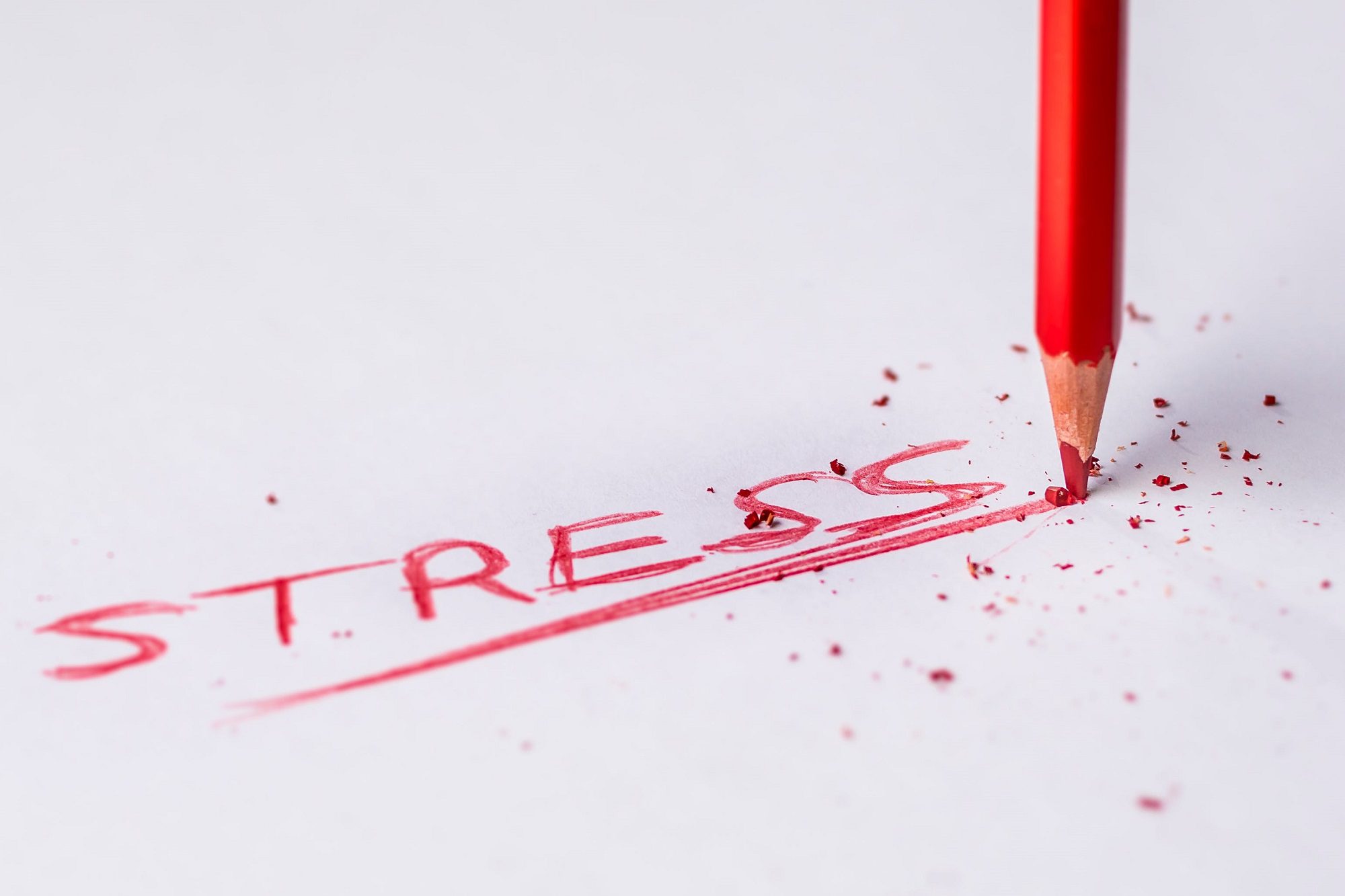
Maintaining personal well-being amidst a whirlwind of work tasks in a bustling modern world seems more challenging than ever. If you are trying to figure out how to handle stress at work, you are not alone. With many responsibilities both at work and home, finding a sustainable work life balance and finding the time and means to de-stress and decompress is crucial to preventing workplace burnout. Sometimes, even a good night’s sleep is not enough. However, there are practical and efficient strategies we can adopt to lighten our daily life.
7 Practical Ways to Cope with Work Stress
1. Prioritise personal well-being:
It may sound cliché, but prioritising your well-being is paramount. Think of it this way: Swimmers would not compete without the proper preparation and training. Similarly, to conquer daily challenges, you must ensure your mental and physical health is in optimum. How to cope with work stress often begins with mindfulness. Embracing both mental exercises like meditation and physical ones like regular workouts will help manage anxiety at work and keep you resilient.
2. Power Naps are an Over looked Destressor:
Napping might seem counterproductive, especially when a pile of work is waiting, but studies suggest that a brief 20-minute power nap can significantly improve alertness and performance. It is a vital tool for work life management, providing short-term relief for lethargy and helping you stay sharp without feeling overwhelmed. Ignore societal peer pressure. Taking a guilt-free snooze whenever you need it.
3. Stay Hydrated for Better Cognitive Function:
Many of us underestimate the power of hydration. Did you know that even mild dehydration can impact both your mood and cognitive function and mimicking the symptoms of workplace burnout? Drinking adequate water is one of the most straight forward health tips and a great way to ensure you are not unwittingly draining your energy.
4. Incorporate Natural Energy Boosters:
Ingredients like caffeine does help increase alertness and sharpens the mind. But too much is not a good thing and can exacerbate anxiety at work. Certain supplements with natural ingredients that contains ingredients like CoQ10, echinacea purpurea, royal jelly, and ginseng, can offer vitality without the jitters that can come with excessive caffeine. Sato Pharm’s Yunker series provides a balanced pick-me-up to support your work life integration goals. However, always consult a health professional before starting new supplements.
5. Practice Mindful Eating:
Your diet plays an integral role in how you feel throughout the day. Consuming a balanced diet rich in whole foods nourishes the body and supports emotional and mental well-being. Prioritise foods high in antioxidants, lean proteins, and Omega-3 fatty acids to keep you sharp and invigorated. Also, foods with a low glycemic index (foods that take longer to break down) helps prevent food coma.
6. Take Mindful Breaks from Screens:
Doom scrolling (endless scrolling on social media) is a prevalent habit that while seemingly “relaxing” is in fact an energy sapping action. For better stress relief, choose a more rejuvenating choice that genuinely disconnect you from the screen such as a short walk, gentle stretches, or even deep-breathing exercises.
7. Set Firm Boundaries for Work Life Integration:
It is easy to blur the lines between work and personal time. Ensure you have distinct boundaries. Switch off notifications after work hours and commit to “me-time”. Remember, an essential aspect of emotional well-being and work life balance is knowing when to disconnect.
There are always strategies to adopt and resources to turn to for decoupling from stress. From seeking natural energy boosters to setting firm boundaries and prioritising personal well-being, there are many options at our fingertips. If these are not enough, our Yunker series of energy drinks offer a natural pick-me-up that is surprisingly effective. Here’s to a more efficient and happier you.
Frequently Asked Questions about Managing Work Stress
How can I improve my work life balance in a high-pressure job?
Improving work life balance requires setting clear boundaries and prioritizing self-care. Focus on work life management by scheduling “disconnect” times where you switch off work notifications. Small habits, like mindful eating and short breaks, can prevent the feeling of being overwhelmed.
What are the early signs of workplace burnout?
Workplace burnout often starts with persistent exhaustion, irritability, and a lack of motivation. You may also experience physical symptoms like headaches or increased anxiety at work. Addressing these early through work life integration and natural energy supports like Yunker can help you recover faster.
How to handle stress at work when feeling overwhelmed?
To effectively handle stress at work, try breaking large tasks into smaller, manageable goals. Practice deep breathing to manage immediate anxiety at work and ensure you stay hydrated. If daily stress is impacting your health, consult a healthcare professional to discuss long-term work life management strategies.