
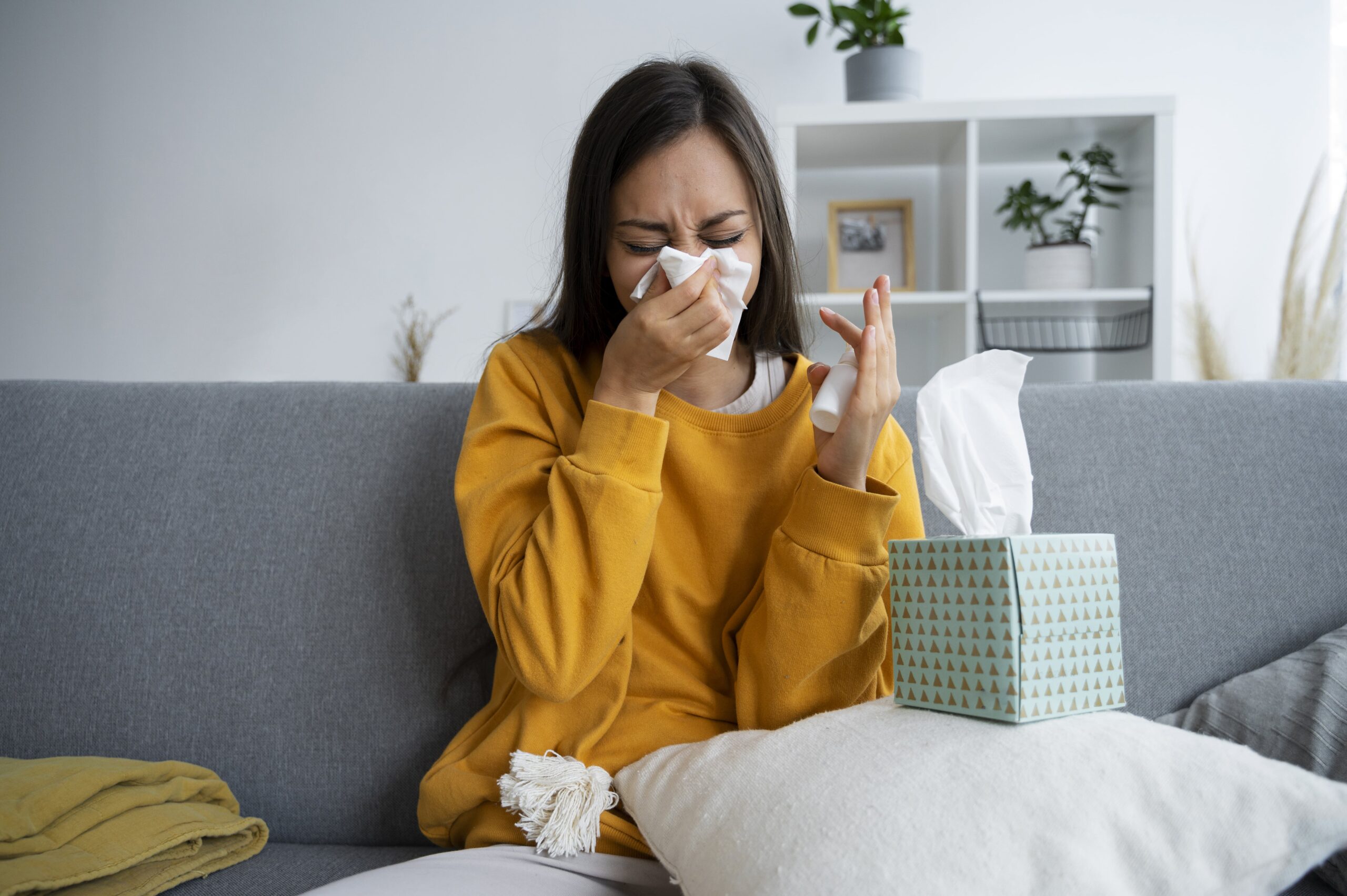
In Singapore, flu or influenza is a year-round concern, marked by two peak seasons: December to February and May to July, as noted by the National University Hospital. The onset of this viral infection not only disrupts routines but also poses a significant risk of community spread. Hence, staying healthy goes hand in hand with staying informed about the best home treatment for colds and managing flu symptoms and to prevent further transmission.
What Is Flu and What Causes It?
Influenza, often referred to as the flu, is a highly contagious respiratory infection triggered by influenza viruses. It spreads via minuscule droplets expelled when infected individuals cough, sneeze, or talk and can remain contagious up to one day before symptoms manifest. Additionally, the virus can be transmitted through contact with contaminated surfaces such as doorknobs and phones.
Get our nasal decongestant in Singapore today for soothing relief.
What Are the Signs and Symptoms of the Flu?
Identifying the signs and symptoms of the flu is essential for prompt management.
Common symptoms include:
- Fever or feeling feverish/chills
- Cough
- Sore throat
- Runny or stuffy nose
- Muscle or body aches
- Fatigue
- Headaches
Who Are Most at Risk of Flu Complications?
While the flu can affect anyone, there are individuals who are at higher risk of flu complications, like those with pneumonia or bronchitis. Other individuals with heightened susceptibility include:
- Children
- The elderly
- Pregnant women
- Individuals with weakened immune systems
- People with underlying medical conditions such as asthma or diabetes
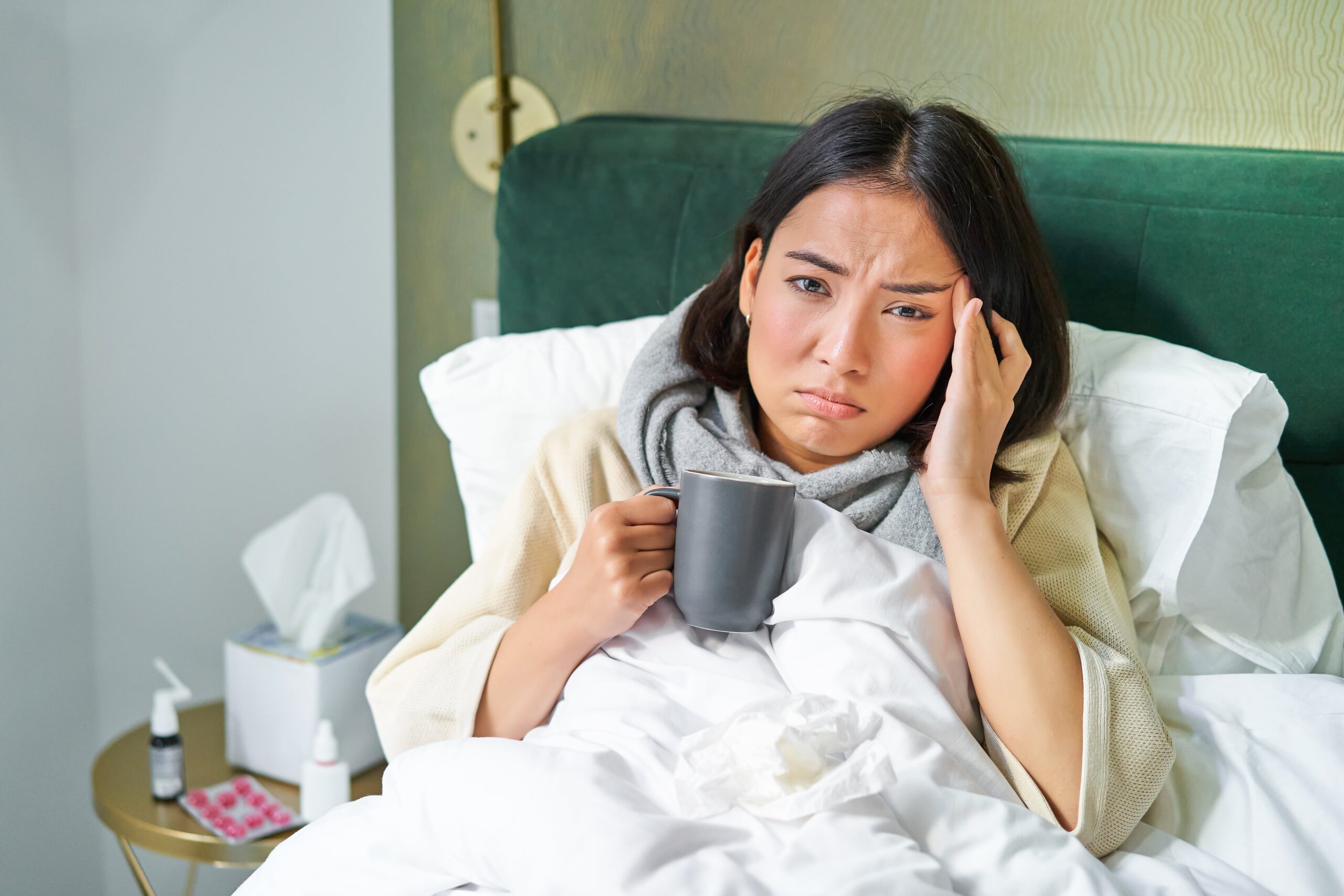
How to Treat Flu at Home and Manage Symptoms?
While medical intervention is sometimes necessary, many people find relief through a reliable home treatment for colds and flu. A successful recovery often involves a combination of natural home remedies and over-the-counter support. Here are some practical strategies and homemade remedies for cold relief to help you treat flu at home:
- Prioritize Rest: Give your body the rest it needs to fight off the virus by getting plenty of sleep and taking it easy. Rest is the most fundamental home treatment for colds, allowing your body to focus entirely on recovery.
- Stay Hydrated: Drinking lots of fluids, like water, herbal teas, and clear broths, can help loosen the mucus. These simple home remedies for colds soothe a sore throat and prevent dehydration as your body recuperates. Consider healthy energy drinks too.
- Use Homemade Remedies for Cold Relief: Effective homemade remedies for cold symptoms include gargling with warm salt water to ease throat pain or using steam inhalation to clear blocked nasal passages. These provide immediate, non-medicinal comfort.
- Support Recovery with Over-the-counter Medications: While natural remedies are great, you may need OTC medications to manage more intense symptoms like high fever or body aches. Commonly used options include acetaminophen or ibuprofen, while decongestants help specifically with nasal congestion. Using these as part of your home treatment for colds can make the recovery process much more comfortable.
- Apply Warm Compresses: A simple yet effective way to treat flu at home is applying a warm compress to areas of discomfort, such as your forehead or sinuses, to minimise pain and promote relaxation.
Please note: These tips are not intended to replace advice from qualified medical professionals. Always consult a doctor for personalised guidance and proper treatment options tailored to your specific health needs.
Flu Prevention Tips
By adopting proactive preventive measures, you can minimise your risk of contracting the flu and safeguard your well-being. Here are some practical flu prevention tips that could help you stay healthy:
1. Get Vaccinated
Annual flu vaccines are strongly recommended, particularly for individuals at higher risk, like children, pregnant women, older adults and those with underlying medical conditions. The vaccine boosts your immune system to produce antibodies that protect against specific strains of the influenza virus, reducing your risk of infection and potential complications.
2. Practise Good Hygiene
Proper hand hygiene is crucial in preventing the spread of the flu virus. One basic hygiene practice is to cleanse your hands meticulously using soap and water for at least 20 seconds. This is especially important after coughing, sneezing, using the restroom, or touching surfaces in public areas. Should soap and water not be available, you can use a hand sanitiser that has at least 60% alcohol content.
3. Cover Your Coughs and Sneezes
When coughing or sneezing, make sure to cover your mouth and nose with a tissue or your elbow. That way, you can prevent the spread of respiratory droplets containing the flu virus. Should you use a tissue, dispose of it promptly and wash your hands afterwards.
4. Avoid Close Contact
As much as possible, steer clear of individuals who are sick with flu-like symptoms. And if you’re feeling unwell yourself, make sure to stay home from work, school, or social gatherings to prevent spreading the virus to others.
5. Boost Your Immune System
Strengthen your immune system to help your body better defend against flu viruses. Aside from maintaining a balanced diet rich in fruits, vegetables, and whole grains, consider incorporating immune-boosting supplements like Coenzyme Q10 (CoQ10) into your daily regimen. CoQ10, for example, can help with energy production within cells and has antioxidant properties that support overall immune function. By enhancing your immune system, CoQ10 helps your body mount a more effective defence against infections, including the flu.
Learn more about the potential benefits of CoQ10.
When to See a Doctor for Flu
If you have an underlying medical condition and are experiencing flu symptoms, it’s crucial to seek medical advice promptly. These home remedies for colds are intended for mild symptom management and should not replace professional medical guidance. For otherwise healthy individuals, severe symptoms that warrant immediate medical attention include difficulty breathing, a severe sore throat, coughing up green or yellow mucus, and feelings of faintness. Additionally, if you exhibit signs and symptoms of pneumonia, such as chest pain, high fever, and difficulty breathing, it’s essential to consult a doctor promptly.
For more healthcare tips, you can check out our list of remedies for common ailments during the rainy season.
FREQUENTLY ASKED QUESTIONS ABOUT HOME COLD & FLU CARE
What are the most effective home remedies for colds in Singapore?
The most effective home remedies for colds include staying hydrated with warm liquids, using saline nasal sprays to clear congestion, and ensuring high intake of Vitamin C. These methods help support the body’s natural healing process.
Can I treat flu at home without medication?
You can often treat flu at home by focusing on rest, hydration, and using homemade remedies for cold symptoms like honey and ginger tea. However, while these home remedies for colds help with comfort, they do not “cure” the virus; if your fever persists or breathing becomes difficult, you should consult a doctor regardless of the home treatments used.
What is the best home treatment for colds to stop a runny nose?
A primary home treatment for colds to address a runny nose is steam inhalation or using a warm compress over the bridge of the nose. These help to soothe inflamed nasal passages and thin out mucus for easier drainage.